Iran America War Effects in India (2026): Economic, Oil, and Trade Impact
The Iran-American war effects in India are mainly seen through rising oil prices, inflation, and economic uncertainty. Since India imports more than 80% of its crude oil, the Iran-US war in 2026 could impact India's oil prices, transportation costs, and the country’s import bill. The US-Iran conflict's effects on India may also cause stock market volatility, rupee depreciation, and disruptions in trade and logistics. Industries such as aviation, manufacturing, and agriculture could face higher operating costs. Overall, the Iran-American war economic consequences highlight how global conflicts can significantly influence India’s economy, trade, and financial stability.
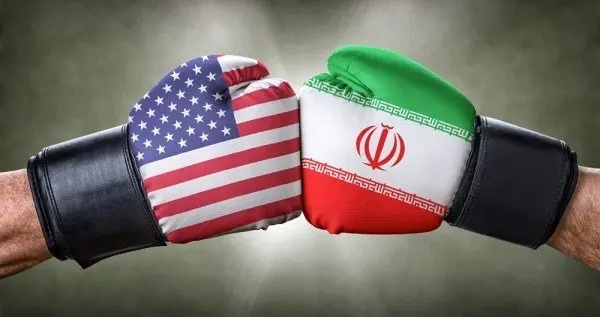
The growing tensions between Iran and the United States have once again sparked global worries about energy security, trade stability, and economic growth.
The Iran US war 2026 oil price impact on India is already a major topic among economists, policymakers, and business leaders. Even though India is not directly involved in the conflict, the Iran US war India impact can be significant because the country relies heavily on Middle Eastern oil and international trade routes.
In this blog, we'll examine the conflict effects on India, covering oil prices, inflation, trade issues, and the broader Iran America war economic consequences India.
Background of the Iran-US Conflict in 2026
In early 2026, tensions between Iran and the United States grew after military strikes and retaliatory attacks in the Middle East.
The conflict led to uncertainty in global energy markets and raised fears of disruption in key shipping areas like the Strait of Hormuz.
The Strait of Hormuz is extremely important for global oil transportation because about 20% of the world's oil supply moves through this region. Any military activity or blockage in this area can quickly affect global energy supply and oil prices.
As a result, the Iran America war economic consequences India are already visible, including rising oil prices, market instability, and supply chain disruptions.
Iran-US War 2026 Oil Price Impact in India
The most immediate effect of the conflict is on oil prices.
After the conflict began, oil prices increased by around 10–13%, and there are concerns that prices may rise further if tensions continue.
India depends heavily on imported crude oil, with over 80% of its oil requirements coming from international markets. This makes the country highly vulnerable to global oil price fluctuations.
Effects of Higher Oil Prices in India
Higher fuel prices
Petrol and diesel prices may increase due to the higher cost of importing crude oil.
Inflation pressure
Transportation and logistics costs rise, which leads to higher prices of goods and services.
Increased government spending
The government may need to reduce fuel taxes or provide subsidies to manage inflation.
Higher import bill
India’s trade deficit may increase because of rising energy import costs.
These factors clearly highlight the Iran US war 2026 oil price impact India, which affects both consumers and businesses.
Impact on the Indian Economy
The Iran America war economic consequences India extend far beyond rising fuel prices. The conflict affects several sectors of the Indian economy.
Stock Market Volatility
When geopolitical tensions increase, investors become cautious. Recently, the Indian stock markets experienced declines as oil prices rose and investors shifted toward safer assets like gold and the US dollar.
This type of market volatility can impact sectors that depend heavily on fuel and international trade, such as:
-
Aviation
-
Logistics
-
Manufacturing
-
Transportation
Rupee Depreciation
Rising oil prices often weaken the Indian rupee, because crude oil imports are paid in US dollars.
A weaker rupee makes imports more expensive, which can lead to additional inflation in the Indian economy.
If the conflict continues for a longer period, the rupee may face further depreciation pressure.
Trade and Logistics Disruptions
The US Iran conflict effects on India also include trade and logistics disruptions.
Higher war-risk insurance premiums, shipping delays, and rerouted cargo routes can increase overall logistics costs.
Examples include:
-
Shipping companies are avoiding high-risk areas near the Gulf region
-
Increased freight and transportation costs
-
Exporters facing delays in product deliveries
These issues directly affect major Indian export industries, including:
-
Textiles
-
Chemicals
-
Agricultural products
-
Engineering goods
Impact on the Indian Diaspora in the Gulf
Millions of Indians work in Gulf countries and regularly send remittances back to India.
If the conflict causes economic instability in the Middle East, job opportunities may decline.
A slowdown in Gulf economies could reduce remittance inflows, which are a major source of foreign exchange earnings for India.
Impact on Specific Sectors in India
Aviation Industry
Jet fuel prices have increased sharply due to supply disruptions in the Middle East, forcing airlines to manage higher operational costs.
This may lead to:
-
Higher air ticket prices
-
Lower airline profitability
-
Increased operational expenses
Manufacturing and Industry
Rising energy prices increase production costs for industries such as:
-
Cement
-
Steel
-
Chemicals
-
Automobile manufacturing
These industries rely heavily on fuel, transportation, and logistics systems.
Agriculture Sector
The conflict may also affect the availability of fertilizers and agricultural inputs imported from the Middle East.
Industry groups have warned that fertilizer raw material supplies may face disruptions due to shipping problems.
This could indirectly impact agricultural production and food prices in India.
Government Measures to Manage the Crisis
The Indian government has several strategies to reduce the Iran US war India impact:
-
Diversifying oil imports from countries such as Russia and the United States
-
Using strategic petroleum reserves to stabilize supply
-
Temporarily reducing fuel taxes to control inflation
-
Monitoring currency fluctuations through RBI interventions
These steps can help reduce the economic risks associated with the Iran America war economic consequences India.
Why Understanding Global Conflicts is Important for Finance Students
Global events like the US Iran conflict effects on India show how international political tensions influence economic systems.
For students pursuing professional programs, such as an Income Tax Course or an accounting course, understanding global economic events is very important.
These courses often cover topics such as:
-
Economic policies
-
International trade
-
Financial market reactions
-
Business risk management
A strong understanding of global economic and geopolitical developments can help future accountants, tax professionals, and financial analysts make more informed financial decisions.
Conclusion
The Iran US war India impact goes far beyond international politics. It has real consequences for India’s economy, oil prices, trade routes, and financial markets.
Rising energy costs, trade disruptions, and currency volatility could create challenges for both businesses and consumers.
What's Your Reaction?