In the fast-evolving digital economy, businesses in 2026 are increasingly investing in ERP systems to streamline operations, enhance data visibility, and improve decision-making. However, the success of any ERP project depends heavily on effective planning and execution. This is where ERP Implementation Timeline Creation(2026) becomes crucial. A well-structured timeline acts as a roadmap that guides the entire implementation process, ensuring that every phase is completed efficiently without unnecessary delays or cost overruns.
Organizations that fail to plan their ERP timeline properly often face budget issues, operational disruptions, and poor system adoption. Therefore, understanding how to create a realistic and strategic ERP implementation timeline is essential for sustainable growth and digital transformation.
Understanding What an ERP Implementation Timeline Is and Why It Matters
An ERP implementation timeline is a detailed project schedule that outlines each stage of the ERP deployment process, including planning, development, testing, and system launch. It helps businesses allocate resources, monitor progress, and manage risks effectively.
In 2026, companies are adopting cloud ERP, AI-powered analytics, and automation tools, making implementation more complex yet more impactful. A clear timeline ensures alignment between stakeholders, IT teams, and management. It also reduces confusion, improves accountability, and keeps the project on track from start to finish.
Without a structured timeline, ERP projects can experience scope creep, missed deadlines, and employee resistance due to poor planning and communication.
What are the typical ERP implementation phases and timelines?
Understanding the phases of ERP implementation is essential for building an accurate timeline. Each phase has a specific purpose and duration depending on the size and complexity of the organization.
Discovery & requirement analysis
This is the foundation stage where businesses identify their needs, challenges, and expected outcomes. It usually takes 2–6 weeks depending on business complexity.
Solution design & planning
In this phase, the ERP architecture, workflows, and implementation strategy are designed. Proper planning ensures that the system aligns with business goals and operational processes.
Development & configuration
Here, the ERP system is customized and configured based on company requirements. This phase may take several weeks or months depending on customization levels.
Data migration
Data from legacy systems is cleaned, validated, and migrated to the new ERP system. Accurate data migration is critical to avoid operational errors after go-live.
Testing phase
System testing ensures that all modules function correctly. Businesses conduct unit testing, integration testing, and user acceptance testing to eliminate bugs and system gaps.
Training & change management
Employees are trained to use the new ERP system effectively. Change management strategies are implemented to reduce resistance and ensure smooth adoption across departments.
Key Phases of an ERP Implementation Timeline Explained
Each ERP project follows structured phases that contribute to overall success. The planning phase focuses on goal setting and project roadmap development. The design phase aligns ERP features with business workflows, while the development phase handles configuration and integration.
After development, the project moves into testing and training to ensure system readiness. Finally, the go-live and post-implementation support phase ensures continuous system monitoring and optimization. Properly defining these phases helps businesses avoid confusion and maintain a smooth workflow throughout ERP Implementation Timeline Creation(2026).
What are the steps to create an ERP implementation timeline?
Creating an ERP timeline requires a systematic and strategic approach rather than guesswork.
Start by defining project scope and objectives
Clearly identify what the organization wants to achieve through ERP implementation, such as automation, better reporting, or improved financial management.
Break the implementation into logical phases
Divide the project into structured stages like planning, configuration, testing, and deployment to make the timeline manageable.
Identify key tasks, dependencies and milestones
List all critical tasks and understand how they depend on each other. This prevents delays and improves workflow coordination.
Estimate timelines based on realistic effort, not best-case scenarios
Avoid overly optimistic planning. Instead, consider team availability, system complexity, and potential risks while estimating timelines.
Assign ownership and resources
Allocate responsibilities to team members, project managers, and consultants to ensure accountability and efficient execution.
Plan for data migration, testing and training early
Many projects get delayed because these stages are planned too late. Early preparation helps minimize last-minute disruptions.
Build in flexibility and review the timeline regularly
Regular reviews and flexible adjustments help businesses respond to unexpected challenges without affecting the entire implementation schedule.
Step-by-Step Process to Create an ERP Implementation Timeline
The step-by-step process begins with requirement analysis and project planning. Once the objectives are defined, businesses should develop a detailed project roadmap with deadlines and deliverables.
Next, assign roles and establish communication channels among stakeholders. After that, create a risk management plan and set review checkpoints to track project progress. Continuous monitoring and periodic updates ensure that the ERP implementation remains aligned with the original timeline and business goals.
This structured approach makes ERP Implementation Timeline Creation(2026) more efficient and result-driven.
How to Define Clear Goals and Scope for ERP Implementation
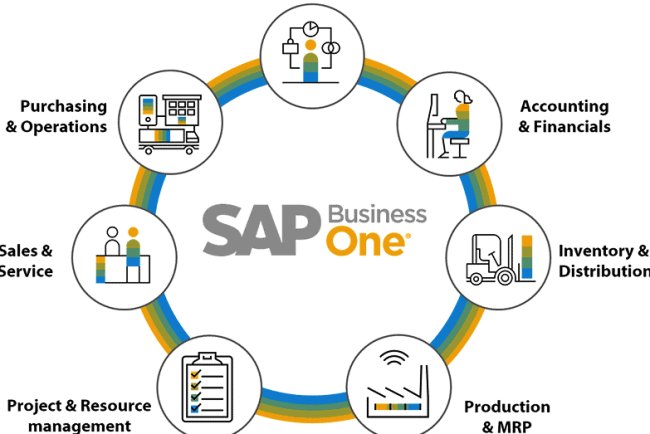
Defining clear goals and scope is a critical step in timeline planning. Organizations must determine which modules they need, such as finance, inventory, HR, or CRM. They should also outline expected outcomes like improved productivity, cost reduction, or real-time reporting.
A clearly defined scope prevents unnecessary feature additions and project delays. It also helps stakeholders stay focused on core objectives, ensuring a smoother and faster implementation process.
Setting Realistic Milestones and Deadlines in ERP Projects
Realistic milestone planning is essential to avoid implementation stress and system errors. Instead of setting one final deadline, businesses should divide the project into smaller milestones such as requirement gathering, system configuration, testing completion, and go-live readiness.
These milestones improve accountability, allow progress tracking, and help teams meet deadlines efficiently. In 2026, agile milestone planning is becoming a preferred approach for ERP projects due to its flexibility and adaptability.
Factors That Influence ERP Implementation Time and Cost
Several factors impact the ERP implementation timeline and budget. Company size, level of customization, data complexity, and integration requirements are major contributors. Cloud-based ERP systems generally reduce implementation time compared to traditional on-premise systems.
Other factors include employee training needs, vendor support quality, and internal resource availability. Businesses with strong project management and digital readiness often complete ERP implementation faster and within budget.
Common ERP Implementation Timeline Challenges and How to Avoid Them
ERP projects often face challenges such as poor planning, lack of stakeholder involvement, and resistance to organizational change. Inaccurate data migration and insufficient testing can also cause significant delays.
To avoid these challenges, businesses should invest in employee training, maintain transparent communication, and conduct multiple testing rounds. Additionally, having a dedicated project manager and a well-defined timeline significantly reduces risks and ensures smoother execution.
Best Practices for Planning a Successful ERP Implementation Schedule
To create a successful ERP implementation schedule, organizations should start with a comprehensive needs assessment and choose the right ERP solution that aligns with long-term goals. Strong leadership involvement and cross-department collaboration are equally important.
Regular progress tracking, realistic budgeting, and phased implementation strategies help reduce risks and improve efficiency. It is also advisable to include buffer time for unexpected issues, system errors, or additional training requirements.
Following these best practices enhances the effectiveness of ERP Implementation Timeline Creation(2026) and increases the chances of project success.
Tools and Strategies to Track and Manage Your ERP Timeline
Modern project management tools such as Gantt charts, ERP dashboards, and workflow tracking software help businesses monitor implementation progress in real time. These tools provide visual insights into project milestones, deadlines, and task dependencies.
Strategies like agile implementation, phased rollout, and performance analytics are widely used in 2026 to manage complex ERP projects. Automation tools and cloud collaboration platforms also improve team coordination and decision-making throughout the implementation lifecycle.
Conclusion
ERP Implementation Timeline Creation(2026) is more than just setting deadlines—it is a strategic framework that determines how successfully a business can transition to a modern, integrated system. A carefully planned timeline helps organizations reduce risks, control costs, and ensure seamless coordination between departments, stakeholders, and technology teams.
To achieve a smooth and timely ERP implementation, businesses should begin with clear scope definition, realistic milestone planning, and early preparation for data migration, testing, and employee training. Regular timeline reviews, flexible planning, and strong leadership involvement also play a critical role in avoiding delays and ensuring long-term success.
In 2026, companies that combine structured ERP planning with skill development gain a competitive edge. Professionals with knowledge in financial systems, accounting software, and ERP tools are in high demand. This is why many learners are exploring best accounting courses, financial accounting, accounting classes near me, and accounting basics to understand how ERP systems integrate with real-world business finance. Additionally, programs like a tax accountant course and accounting and finance training or classes for accounting near me help professionals build practical expertise in ERP-driven financial environments. A strong foundation in accounting financial accounting further supports better ERP adoption and system utilization.
Ultimately, a well-executed ERP Implementation Timeline Creation(2026) ensures faster ROI, improved operational efficiency, and successful digital transformation. By aligning strategic planning, skilled resources, and modern tracking tools, businesses can implement ERP systems confidently and achieve sustainable growth in the evolving digital economy.