What Can You Learn in a Certified Corporate Accounting Course?
Choosing the right career course after graduation can be confusing, especially for students who want to build a career in accounting and finance. A degree such as B.Com or BBA gives you a strong academic foundation, but employers often look for practical skills that can be applied directly in the workplace. A Certified Corporate Accounting Course is designed to bridge this gap between academic knowledge and professional requirements. It helps students understand accounting concepts while also developing practical knowledge of taxation, GST, payroll, accounting software, and corporate compliance. For freshers, job seekers, and commerce students, this type of course can provide a structured path toward becoming a job-ready accountant.
What Is a Certified Corporate Accounting Course?
A Certified Corporate Accounting Course is a professional, job-oriented program that focuses on the skills required to work in accounting and finance departments.
Unlike courses that focus mainly on theoretical concepts, a practical corporate accounting course introduces students to real-world accounting activities. Students learn how accounting transactions are recorded, how taxes are calculated and filed, how financial records are maintained, and how commonly used accounting software works.
The objective is simple: to help learners move from knowing accounting concepts to actually performing accounting work.
1. Fundamentals of Accounting
The first step is understanding the basics of accounting.
Students learn concepts such as:
- Accounting principles
- Journal and ledger
- Debit and credit
- Trial balance
- Cash book
- Profit and loss account
- Balance sheet
- Bank reconciliation
- Accounts payable and receivable
A strong foundation is important because almost every accounting role requires an understanding of these fundamental concepts.
Students also learn how different business transactions affect financial statements and how accounting records are maintained systematically.
2. Tally Prime and Accounting Software
Knowledge of accounting software is one of the most important practical skills for an aspiring accountant.
A Certified Corporate Accounting Course generally provides hands-on training in software such as Tally Prime. Students learn how to create companies, configure ledgers, record transactions, and generate reports.
Practical topics can include:
- Company creation
- Ledger creation
- Purchase and sales entries
- Receipt and payment entries
- Journal entries
- Inventory management
- Bank reconciliation
- GST entries
- Financial reports
Instead of simply learning the software interface, students can understand how accounting activities are performed using the software in a business environment.
3. GST and Indirect Taxation
GST is an important part of modern business accounting in India. Accountants often need to work with GST-related transactions and records.
A corporate accounting course can introduce students to practical GST concepts such as:
- GST registration basics
- CGST, SGST and IGST
- Input Tax Credit
- Tax invoices
- Purchase and sales under GST
- GSTR-1
- GSTR-3B
- GST reconciliation
- Basic GST compliance
This knowledge helps students understand how GST affects day-to-day accounting and how tax-related information is maintained.
4. Income Tax and Direct Taxation
Accounting professionals may also work with income tax-related information. Therefore, taxation knowledge can be an important addition to an accountant's skill set.
Students may learn about:
- Basic income tax concepts
- Heads of income
- Deductions
- Taxable income
- TDS
- TCS
- Advance tax
- Tax calculations
- ITR basics
The goal is not simply to memorize tax rules but to understand how taxation connects with accounting transactions and financial records.
5. TDS and TCS
TDS and TCS are frequently encountered in business transactions.
A practical course can help students understand:
- What TDS is
- Common TDS provisions
- TDS calculations
- Recording TDS entries
- TDS returns
- TCS concepts
- Basic compliance procedures
Learning these concepts can give freshers an advantage because taxation responsibilities are often part of accounting-related jobs.
6. Payroll and Employee Accounting
Accounting is not limited to sales, purchases, and taxes. Businesses also need to maintain employee-related financial records.
Students can learn about:
- Salary calculation
- Payroll processing
- Payslips
- Employee deductions
- PF
- ESI
- Professional Tax
- Payroll accounting entries
Understanding payroll helps students handle another important area of corporate accounting.
7. Corporate Compliance
Businesses have various financial and legal compliance requirements. A corporate accounting course may introduce students to the basics of corporate compliance and statutory responsibilities.
Depending on the course structure, students may learn about:
- ROC compliance basics
- Statutory records
- Company-related documentation
- Compliance deadlines
- Corporate accounting procedures
This gives learners a broader understanding of how accounting works within an organized business environment.
8. Excel and Data Management
Microsoft Excel remains an important workplace skill for accounting professionals.
Students may learn how to use Excel for:
- Data entry
- Sorting and filtering
- Formulas
- Calculations
- Financial reports
- Data analysis
- Reconciliation
- Maintaining accounting records
Functions such as SUM, IF, VLOOKUP/XLOOKUP, filters, and pivot tables can help accountants manage large amounts of data more efficiently.
9. Real-World Accounting Projects
One of the biggest benefits of a practical course is the opportunity to work on real-world or simulated accounting projects.
Instead of learning only through classroom explanations, students can practice activities such as:
- Recording business transactions
- Preparing GST reports
- Calculating TDS
- Managing payroll
- Reconciling accounts
- Preparing financial statements
Project-based learning helps students understand how different accounting functions work together.
10. Accounting Interview Preparation
Technical knowledge is important, but students also need to know how to present their skills during a job interview.
A professional accounting course can include interview preparation covering:
- Accounting interview questions
- Tally Prime practical questions
- GST interview questions
- Income tax questions
- Excel-based questions
- HR interview preparation
- Resume development
- Workplace communication
This can help freshers feel more confident when applying for accounting positions.
Why Choose a Practical Corporate Accounting Course?
A major difference between academic education and professional training is the amount of practical exposure.
A degree may teach you what accounting is, while a job-oriented accounting course focuses more on how accounting is performed in the workplace.
For example, a student may know the definition of GST but still struggle to record a GST transaction in accounting software. Practical training helps bridge that gap.
This is especially useful for freshers who need to build confidence before entering the job market.
Who Can Join a Certified Corporate Accounting Course?
These courses are suitable for a wide range of learners, including:
- 12th-pass commerce students
- B.Com graduates
- BBA students
- M.Com students
- Freshers
- Job seekers
- Professionals looking to upgrade their skills
- Students interested in accounting and taxation
The minimum qualification may vary depending on the institute and course structure, so students should check the admission requirements before enrolling.
Career Opportunities After the Course
After developing practical accounting and taxation skills, students can explore entry-level roles such as:
Accounts Executive, Junior Accountant, Accounts Assistant, Tax Assistant, GST Executive, Payroll Executive, Tally Operator, and Finance Executive.
Career growth will depend on experience, practical knowledge, communication skills, and continued learning.
Why Practical Skills Matter in Accounting
The accounting profession is becoming increasingly technology-driven. Businesses use accounting software, spreadsheets, cloud applications, and digital tax systems to manage financial operations.
Because of this, employers increasingly value candidates who can work with practical tools and understand real business processes.
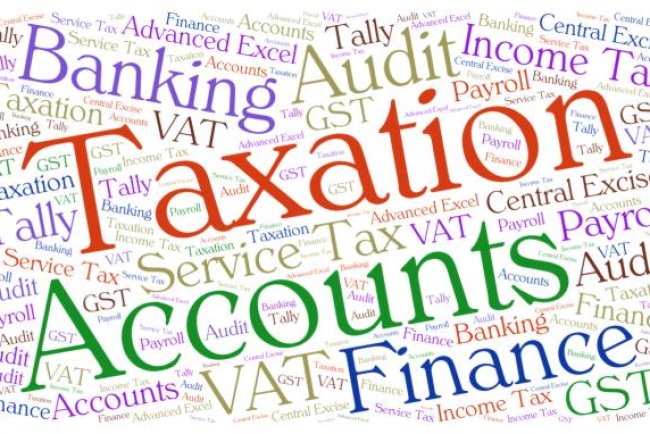
Learning Accounting + Tally Prime + GST + Income Tax + TDS + Payroll + Excel together can create a stronger skill profile than learning accounting theory alone.
Build a Job-Ready Accounting Career
A Certified Corporate Accounting Course can help transform basic accounting knowledge into practical workplace skills. From accounting fundamentals and Tally Prime to GST, income tax, payroll, Excel, and corporate compliance, students can develop a broader understanding of how accounting functions in real businesses.
For freshers and commerce graduates, the right practical training can make the transition from classroom learning to professional work much easier.
At Ready Accountant, the focus is on practical, job-oriented accounting education designed to help students build relevant skills for the modern workplace. With hands-on learning, practical projects, accounting software training, and taxation knowledge, students can work toward becoming confident and job-ready accounting professionals.
What's Your Reaction?