Cash Flow Management Explained for Beginners
Cash Flow Management Explained for Beginners helps readers understand how money moves in and out of a business and why managing cash is more important than just earning profits. The article explains cash inflow and outflow, types of cash flow, common mistakes beginners make, and the role of cash flow statements in financial decision-making. It also highlights how effective cash flow management supports timely tax compliance under Taxation (Income Tax & GST) and how tools like SAP FICO (Finance & Controlling) help businesses track and forecast cash efficiently. Overall, the blog emphasizes that mastering cash flow is a core skill taught in Certified Corporate Accounting and is essential for business stability, career growth, and long-term financial success.
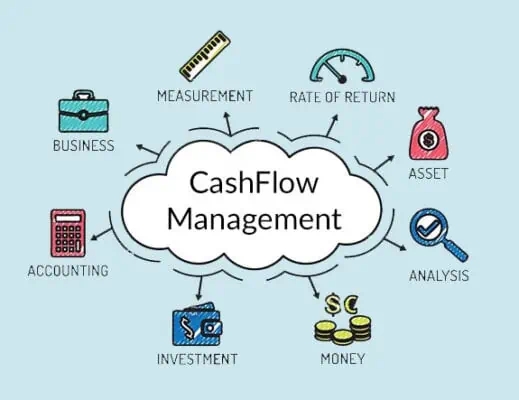
Cash Flow Management Explained for Beginners is one of the most important financial concepts every student, business owner, and aspiring accountant must understand. While many people focus on profits, the reality is that a business can be profitable on paper and still fail due to poor cash flow management.
Cash flow management is the process of tracking, analyzing, and optimizing the movement of money into and out of a business. For beginners, understanding this concept is the first step toward mastering accounting, taxation, and corporate finance.
What Is Cash Flow?
Cash flow simply refers to the movement of cash in a business during a specific period.
-
Cash inflow: Money received from sales, services, investments, or loans
-
Cash outflow: Money spent on expenses such as rent, salaries, taxes, inventory, and loan repayments
When inflow exceeds outflow, the business has positive cash flow. When outflow exceeds inflow, it results in negative cash flow.
Understanding this basic concept is the foundation of Cash Flow Management Explained for Beginners.
Why Cash Flow Management Is Important
Many beginners assume profit equals success. However, businesses fail not because they are unprofitable, but because they run out of cash.
Key reasons why cash flow management matters:
-
Ensures timely payment of salaries and expenses
-
Helps businesses meet tax obligations under Taxation (Income Tax & GST)
-
Prevents unnecessary borrowing
-
Improves financial planning and decision-making
-
Builds trust with vendors, employees, and lenders
In corporate accounting, managing cash flow efficiently is considered a core professional skill.
Types of Cash Flow
To fully understand Cash Flow Management Explained for Beginners, it’s important to know the three main types of cash flow:
1. Operating Cash Flow
This comes from daily business operations such as sales receipts and payments to suppliers. A positive operating cash flow indicates a healthy business.
2. Investing Cash Flow
This includes cash used for purchasing assets like machinery or received from selling investments.
3. Financing Cash Flow
This reflects cash movements related to loans, equity funding, or dividend payments.
Accountants trained in Certified Corporate Accounting learn to analyze all three types to assess financial health.
Common Cash Flow Problems Faced by Beginners
Beginners often face cash flow challenges due to lack of planning and financial discipline.
Common issues include:
-
Delayed customer payments
-
High operating expenses
-
Poor inventory management
-
Overdependence on credit
-
Ignoring tax liabilities like GST and income tax
Without proper cash flow management, even small mistakes can create serious financial stress.
Cash Flow Statement Explained Simply
A cash flow statement is a financial report that summarizes cash inflows and outflows over a period.
It helps beginners:
-
Understand where money is coming from
-
Track where money is going
-
Identify cash shortages early
Learning how to prepare and analyze cash flow statements is a key component of Certified Corporate Accounting and SAP FICO (Finance & Controlling) training.
Role of Cash Flow Management in Taxation
Cash flow management plays a crucial role in Taxation (Income Tax & GST) compliance.
Why it matters:
-
GST payments must be made even if customers haven’t paid
-
Advance tax and self-assessment tax require liquidity
-
Late payments lead to penalties and interest
Proper cash flow planning ensures businesses can meet their tax obligations without disrupting operations.
How SAP FICO Helps in Cash Flow Management
In large organizations, cash flow management is handled using ERP systems like SAP FICO (Finance & Controlling).
SAP FICO helps by:
-
Monitoring real-time cash positions
-
Managing receivables and payables
-
Forecasting future cash requirements
-
Linking cash flow with financial statements
For students and professionals, learning SAP FICO significantly enhances career opportunities in corporate finance and accounting.
Practical Tips for Effective Cash Flow Management
Here are some beginner-friendly tips to improve cash flow:
1. Track Cash Regularly
Maintain daily or weekly records of inflows and outflows.
2. Speed Up Receivables
Offer early payment discounts and follow up on outstanding invoices.
3. Control Expenses
Identify unnecessary costs and reduce them.
4. Maintain a Cash Reserve
Always keep emergency funds for unexpected expenses.
5. Plan Taxes in Advance
Set aside funds for GST and income tax to avoid last-minute pressure.
These practices are taught in practical-oriented courses like Certified Corporate Accounting.
Cash Flow vs Profit: Key Difference
Many beginners confuse cash flow with profit, but they are not the same.
| Cash Flow | Profit |
|---|---|
| Actual movement of money | Accounting calculation |
| Determines liquidity | Shows business performance |
| Essential for survival | Important for growth |
A business can be profitable but still fail if it lacks cash flow discipline.
Career Importance of Cash Flow Management
Understanding Cash Flow Management Explained for Beginners is not only important for businesses but also for careers.
Professionals skilled in:
-
Cash flow analysis
-
Financial planning
-
Tax compliance
-
ERP tools like SAP FICO
are highly valued in accounting firms, corporates, and startups.
Courses in Certified Corporate Accounting, SAP FICO (Finance & Controlling), and Taxation (Income Tax & GST) help students gain real-world exposure to these skills.
Conclusion
Cash Flow Management Explained for Beginners is a vital concept that forms the backbone of financial stability for businesses and individuals alike. Whether you are a student, entrepreneur, or aspiring accountant, understanding how money flows through a business can protect you from financial risks and unlock long-term success.
What's Your Reaction?