Good Debt Vs Bad Debt
The concept of Good Debt Vs Bad Debt focuses on using borrowing as a financial tool rather than avoiding it altogether. While good debt supports long-term goals such as education, home ownership, and business growth, bad debt often leads to financial stress and limited freedom. Understanding this difference helps individuals make responsible borrowing decisions. Gaining knowledge through Certified Corporate Accounting, SAP FICO (Finance & Controlling), and Taxation (Income Tax & GST) further enhances financial awareness and supports smarter debt management, leading to long-term financial stability and growth.
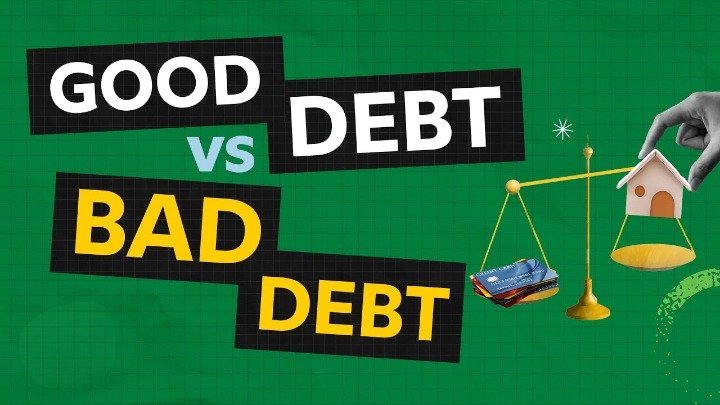
Debt is often viewed negatively, associated with stress, repayments, and financial pressure. However, not all debt is harmful. In fact, when used wisely, debt can become a powerful financial tool that supports growth, stability, and long-term wealth creation. This is where the concept of Good Debt Vs Bad Debt becomes crucial.
Understanding the difference between good debt and bad debt helps individuals make informed borrowing decisions, avoid financial traps, and use credit in a way that strengthens rather than weakens their financial position. This article explains the key differences, examples, and strategies to manage debt responsibly.
What Is Debt?
Debt arises when an individual borrows money with the promise to repay it later, usually with interest. Loans, credit cards, mortgages, and overdrafts are all forms of debt. The impact of debt on your finances depends not on the borrowing itself, but on how the money is used, the cost of borrowing, and your repayment capacity.
This brings us to the core distinction: Good Debt Vs Bad Debt.
What Is Good Debt?
Good debt refers to borrowing that contributes positively to your financial future. It is typically used to acquire assets, skills, or opportunities that generate income, appreciate in value, or improve long-term financial stability.
Good debt is often considered an investment rather than a liability.
Key Characteristics of Good Debt
-
Helps build wealth or increase earning potential
-
Offers long-term benefits that outweigh the borrowing cost
-
Comes with reasonable interest rates
-
Has structured and manageable repayment terms
-
Aligns with clear financial goals
Common Examples of Good Debt
1. Education Loans
Borrowing for higher education or professional skill development is a classic example of good debt. Courses in finance, accounting, technology, or management can significantly improve employability and income potential over time.
Although education loans may take years to repay, the long-term career benefits often justify the investment.
2. Home Loans
A home loan is widely considered good debt because property generally appreciates over time. Additionally, owning a home provides stability, security, and potential rental income. Home loans also come with relatively lower interest rates and longer repayment tenures.
3. Business Loans
Loans taken to start or expand a business can be categorized as good debt when used strategically. Business loans can help increase production, improve infrastructure, or enter new markets—ultimately boosting profitability.
4. Personal Loans for Constructive Purposes
While personal loans are often viewed cautiously, they can be good debt when used for essential needs such as medical emergencies, home renovation, or skill-based certifications. The key factor is whether the loan improves your quality of life or earning capacity without causing financial strain.
What Is Bad Debt?
Bad debt refers to borrowing that does not add value to your financial future and often leads to long-term financial stress. It is usually associated with high interest rates, impulsive spending, and depreciating assets.
Unlike good debt, bad debt provides little or no return on investment.
Key Characteristics of Bad Debt
-
Used for non-essential or lifestyle expenses
-
High interest rates and fees
-
No long-term financial benefit
-
Often linked to poor spending habits
-
Can create a cycle of dependency and repayment stress
Common Examples of Bad Debt
1. Credit Card Debt
Using credit cards excessively and paying only the minimum amount due is one of the most common forms of bad debt. Credit cards carry very high interest rates, which can quickly inflate outstanding balances if not paid in full.
2. Payday Loans
Payday loans offer short-term relief but come with extremely high interest rates and short repayment windows. They often trap borrowers in a cycle of repeated borrowing and are considered one of the most harmful forms of debt.
3. Borrowing to Repay Existing Debt
Taking one loan to repay another—especially at a higher interest rate—can worsen financial problems. This practice often signals deeper cash flow issues and leads to increased overall debt.
4. Loans for Luxury or Depreciating Assets
Financing luxury items such as high-end cars, gadgets, or vacations is a common example of bad debt. These items lose value quickly and do not generate income, making repayment burdensome over time.
Good Debt Vs Bad Debt: Key Differences
| Aspect | Good Debt | Bad Debt |
|---|---|---|
| Purpose | Wealth or skill creation | Consumption or lifestyle |
| Interest Rate | Generally lower | Usually high |
| Long-Term Value | Appreciates or generates income | Depreciates |
| Financial Impact | Strengthens finances | Creates stress |
| Repayment | Planned and manageable | Often difficult |
How to Identify Whether Debt Is Good or Bad
When evaluating Good Debt Vs Bad Debt, ask yourself the following questions:
-
Will this debt increase my income or asset value?
-
Can I comfortably repay it without sacrificing essentials?
-
Is the interest rate reasonable compared to expected benefits?
-
Is this borrowing a necessity or an impulse?
If the answers point toward long-term benefit and affordability, the debt is likely good. If not, it may fall into the bad debt category.
How to Avoid and Manage Bad Debt
Even with careful planning, bad debt can sometimes occur. The key lies in managing it effectively.
1. Borrow with Clear Intent
Avoid taking loans for impulsive or non-essential purchases. Always define the purpose of borrowing before committing.
2. Understand Loan Terms
Read the fine print carefully. Pay attention to interest rates, tenure, penalties, and total repayment amount.
3. Use Credit Cards Responsibly
Pay credit card bills in full whenever possible. Keep utilization low and avoid revolving balances.
4. Create a Budget and Emergency Fund
A realistic budget and an emergency fund reduce the need for high-interest borrowing during unexpected situations.
5. Prioritize Debt Repayment
Focus on clearing high-interest debt first while maintaining minimum payments on others.
Conclusion
The debate of Good Debt Vs Bad Debt is not about avoiding debt entirely, but about using it wisely. Good debt can open doors to education, home ownership, and business growth, while bad debt can drain resources and limit financial freedom. Strategic borrowing becomes even more important for professionals pursuing careers in finance, taxation, and corporate accounting.
By understanding the difference, borrowing responsibly, and aligning debt with long-term goals, individuals can turn credit into a powerful financial tool rather than a burden. Building expertise through Certified Corporate Accounting, SAP FICO (Finance & Controlling), and Taxation (Income Tax & GST) can further strengthen financial decision-making and career growth. Smart debt management is not just about repayment—it’s about making informed choices that support a stable and prosperous financial future.
What's Your Reaction?