LPG Shortage in India: Economic Impact, Causes, and Future Risks
India is facing a growing LPG shortage, which is affecting households, restaurants, and the hospitality industry. The LPG shortage's economic impact is visible through rising fuel costs, supply disruptions, and operational challenges for businesses. The Commercial LPG price hike has increased expenses for restaurants, creating a serious Restaurant LPG crisis in India and leading to significant Hospitality sector LPG losses. Many small businesses are struggling to manage higher fuel costs, which may also increase food prices and inflation. If the shortage continues, India could face long-term economic challenges, highlighting the need for energy diversification and better supply management to stabilize the market.
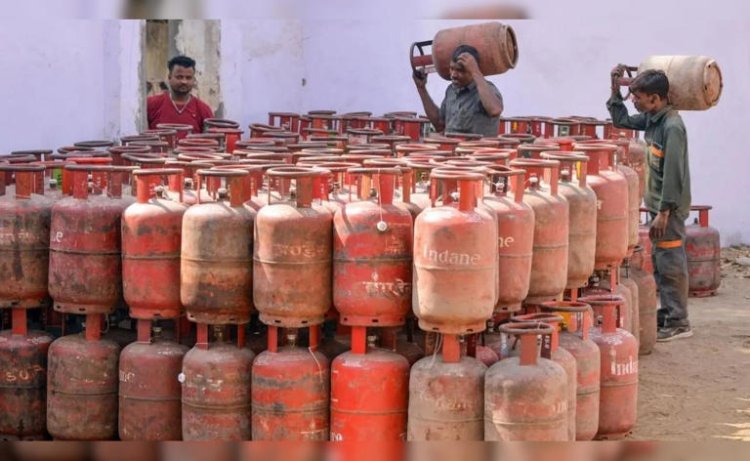
India is currently witnessing a growing LPG shortage crisis, which is beginning to affect households, restaurants, and several industries. Liquefied Petroleum Gas (LPG) plays a vital role in India’s energy ecosystem, especially for cooking and small-scale commercial activities. However, disruptions in supply chains, geopolitical tensions, and increasing demand have created serious concerns about the LPG shortage economic impact on the Indian economy.
In this blog, we will explore the causes of the LPG shortage in India, its economic impact, and the potential future risks if the situation continues.
Understanding the LPG Shortage in India
India consumes more than 31 million tonnes of LPG annually, and a significant portion of this demand is met through imports. In fact, around 60–62% of the country’s LPG requirement is imported, making India heavily dependent on global energy markets.
The recent shortage is mainly linked to geopolitical tensions and disruptions in the Strait of Hormuz, a key global energy shipping route through which a large share of LPG shipments pass. When supply routes become unstable, LPG availability in India decreases, and prices increase.
Due to the shortage, the government has prioritized LPG supply for households, which has reduced the availability of commercial LPG cylinders for businesses such as hotels and restaurants.
This situation has created a Restaurant LPG crisis in India, affecting thousands of food businesses across the country.
Commercial LPG Price Hike and Rising Costs
One of the immediate consequences of the LPG shortage is the Commercial LPG price hike. In March 2026, the price of LPG cylinders increased significantly across major cities in India.
-
Domestic LPG cylinder prices increased by about ₹60.
-
Commercial LPG cylinders (19 kg), commonly used by restaurants and hotels, became about ₹114 costlier.
In cities like Delhi and Mumbai, commercial LPG cylinders are now priced around ₹1,800–₹1,900 per cylinder, increasing operational costs for businesses.
For restaurants, catering companies, and food vendors that use multiple cylinders daily, this price increase translates into higher operational expenses.
Restaurant LPG Crisis in India
The Restaurant LPG crisis in India is one of the most visible effects of the shortage. Restaurants rely heavily on commercial LPG cylinders for cooking, and any disruption in supply directly impacts their operations.
Reports suggest that nearly 20% of restaurants in some cities have already shut down temporarily due to LPG shortages.
Many restaurants are now facing the following challenges:
-
Limited LPG supply
-
Rising fuel costs
-
Reduced menus
-
Temporary closures
In some cases, restaurants have even been forced to switch to alternative fuels such as firewood or electric cooking equipment to continue operations.
Industry bodies have warned that if LPG supplies are not restored quickly, many restaurants could face long-term closures.
Hospitality Sector LPG Losses
The hospitality sector is one of the biggest victims of the LPG shortage. Hotels, restaurants, food delivery kitchens, and catering services depend heavily on commercial LPG for daily operations.
Due to rising fuel costs and supply disruptions, the hospitality sector LPG losses are growing rapidly.
Key impacts include:
1. Higher Food Prices
Restaurants may increase menu prices to compensate for rising LPG costs. This could make dining out more expensive for consumers.
2. Reduced Business Operations
Many hotels and restaurants are reducing cooking operations or removing certain dishes from menus due to limited gas availability.
3. Job Losses
If restaurants shut down temporarily or permanently, thousands of workers in the hospitality sector could lose their jobs.
4. Supply Chain Disruptions
Food supply chains connected to restaurants, such as farmers, distributors, and delivery services, may also suffer.
LPG Shortage Economic Impact on India
The LPG shortage economic impact extends beyond restaurants and households. Several sectors of the economy could face challenges.
1. Inflation in Food Prices
When fuel costs rise, the cost of preparing food also increases. Restaurants may pass these costs to customers, leading to inflation in food prices.
2. Impact on Small Businesses
Small eateries, street vendors, and catering services often operate on thin profit margins. Rising LPG prices can severely affect their sustainability.
3. Increase in Black Market Activities
Shortages sometimes lead to illegal LPG cylinder sales. Reports suggest that cylinders priced around ₹1,800 are being sold in black markets for ₹4,000–₹5,000 in some areas.
This creates additional economic pressure on small businesses.
4. Energy Supply Imbalance
The government has prioritized domestic LPG supply to protect household consumers, which has reduced availability for commercial users.
This imbalance can slow down business operations across multiple industries.
Environmental and Social Risks
Another indirect impact of LPG shortages is environmental damage.
When LPG becomes unavailable, households and businesses may switch to traditional fuels such as firewood or coal. This can lead to:
-
Increased deforestation
-
Higher air pollution
-
Health risks from indoor smoke
Authorities in some regions have already increased forest monitoring due to the rising demand for firewood as an alternative cooking fuel.
Future Risks if the Crisis Continues
If the LPG shortage persists, India could face several long-term risks.
1. Energy Dependency Risks
India’s heavy reliance on imported LPG makes it vulnerable to global conflicts and supply disruptions.
2. Rising Inflation
Fuel price increases often trigger a chain reaction that raises transportation and food prices.
3. Industry Slowdown
Hospitality, food processing, and catering industries could experience reduced growth due to rising operational costs.
4. Shift to Alternative Energy
The shortage could accelerate the adoption of alternative cooking technologies such as electric induction stoves, piped natural gas, and renewable energy solutions.
How Skill Development Can Help Professionals
Understanding energy markets, taxation policies, and business operations is becoming increasingly important in today's economy. Professionals working in finance, accounting, or business management must stay updated on economic developments like fuel price fluctuations.
Courses such as an Income Tax Course or a GST Course can help individuals understand how energy costs, taxation policies, and business expenses affect financial planning and corporate decision-making.
These skills are particularly useful for accountants, tax consultants, and business professionals who analyze economic trends and their impact on businesses.
Conclusion
The LPG shortage in India highlights the country’s vulnerability to global energy disruptions. From rising prices to business closures, the LPG shortage economic impact is already visible across multiple sectors.
The Restaurant LPG crisis in India, Commercial LPG price hike, and Hospitality sector LPG losses demonstrate how fuel shortages can disrupt entire industries. If the issue continues, it could lead to inflation, job losses, and economic instability.
What's Your Reaction?