India’s Budget 2026 Allocation for the Employment-Linked Incentive Scheme
Budget 2026 allocates ₹30,000+ crore to the Employment-Linked Incentive Scheme (ELIS) to boost job creation, support MSME hiring, and promote formal employment. With wage subsidies, apprenticeship support, and labor reforms, the scheme aims to reduce youth unemployment and increase demand for skilled professionals in finance, accounting, and compliance sectors.

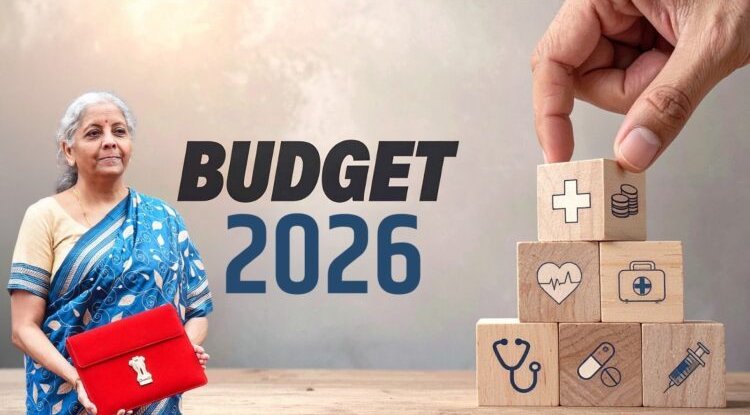
In the landscape of India’s evolving economy, where youth unemployment remains a pressing challenge, the Union Budget 2026 has emerged as a pivotal document signaling the government’s strong commitment to job creation and formal employment growth. Presented by Finance Minister Nirmala Sitharaman on February 1, 2026, the budget allocates over ₹30,000 crore to the Employment-Linked Incentive Scheme (ELIS)—a strategic move that underscores the administration’s focus on formalizing employment, boosting hiring, and accelerating economic expansion.
This substantial financial outlay, part of a larger ₹99,446 crore approval by the Union Cabinet for Employment-Linked Incentives (ELIs) until July 31, 2027, aims to generate millions of job opportunities, strengthen workforce participation, and transform India’s labor market. For students pursuing a financial accounting course, accounting and finance course, or even accounting basics, these employment-focused reforms signal rising demand for skilled professionals in finance, taxation, and compliance sectors.
Understanding the Origin and Vision of ELIS
To truly grasp the importance of this allocation, it is essential to understand the foundation of the Employment-Linked Incentive Scheme. Introduced in the Union Budget 2024-25, the scheme was specifically designed to encourage employers to hire first-time workers in the formal sector, thereby strengthening structured payroll systems and professional accounting practices.
Key benefits of the scheme include:
-
Wage subsidies up to ₹15,000 for new employees
-
Up to ₹3,000 per month per hire for employers
-
Special focus on manufacturing, services, and construction sectors
This initiative was strategically launched to tackle post-pandemic job stagnation and bridge the gap between skill development and real job placements. With urban youth unemployment hovering around 8–10%, the incentive-driven hiring model will significantly benefit candidates completing accounting and finance classes, tax accountant course, and other best accounting courses aligned with industry demand.
Budget 2026: A Massive ₹30,000 Crore Push for Job Creation
The Budget 2026 allocation of ₹30,000+ crore for FY 2026-27 represents a major scale-up in employment funding. This phased investment is projected to create opportunities for up to 35 million individuals by 2027, focusing on both entry-level jobs and long-term workforce stability.
The funds will primarily support:
-
Wage incentives for new hires
-
Employer reimbursements
-
Apprenticeship and training programs
-
Labor-intensive industries like construction, logistics, and transportation
For MSMEs and startups, this scheme is especially lucrative, as it reduces hiring costs while promoting formal payroll expansion and compliance. This directly increases the need for professionals skilled in financial accounting, accounting financial accounting, and practical taxation—making accounting classes near me and classes for accounting near me highly relevant searches among job-ready students.
Boost from Internship & Apprenticeship Reforms
Complementing ELIS is the proposed enhancement in the Prime Minister’s Internship Scheme (PMIS) stipend. Reports suggest a ₹1,000–₹2,000 increase from the existing ₹6,000 DBT benefit, making internships more attractive for fresh graduates and first-time job seekers.
Additionally, the rollout of new labor codes from April 1, 2026 is expected to:
-
Standardize wages and working conditions
-
Simplify hiring regulations
-
Reduce employer compliance burden
-
Improve social security coverage
These structural reforms will increase demand for trained professionals with knowledge of accounting basics, payroll, GST compliance, and corporate finance—especially those enrolled in a financial accounting course or accounting and finance course.
Criticism & Policy Concerns: A Balanced Perspective
Despite its ambitious funding, the employment strategy has drawn mixed reactions from economists and policy analysts. Previous employment-linked initiatives and PLI schemes faced low adoption due to bureaucratic hurdles and limited awareness.
Major concerns include:
-
Reduced emphasis on older employment schemes
-
Transition from MGNREGA to VB-G RAM G shifting funding burden to states
-
Risk of uneven job distribution across rural and urban regions
-
Implementation challenges in monitoring job authenticity and subsidy misuse
These challenges highlight that while the budget allocation is strong, the execution and skill alignment—especially through professional training like accounting and finance classes and tax accountant course programs—will determine real success.
Supporting Job Creation Through Multi-Sector Investments
The ELIS does not operate in isolation. Budget 2026 introduces a multi-pronged employment strategy supported by sectoral investments that will significantly increase demand for finance, audit, and taxation professionals.
Key Employment-Boosting Budget Highlights
-
Capital Expenditure increased to ₹12.2 lakh crore (infrastructure-led job growth)
-
₹40,000 crore for electronics manufacturing
-
₹30,000 crore Youth Apprenticeship Mission targeting 3 million apprentices annually
-
₹75,000 crore Green Employment Transformation Fund to create 8 million green jobs by 2030
-
Investments in semiconductors, digital infrastructure, and rare earth corridors
These initiatives will generate both high-skill and compliance-driven roles, increasing opportunities for candidates pursuing best accounting courses, financial accounting, and specialized accounting and finance course certifications.
Economic Impact: Growth, Consumption & MSME Expansion
The implications of the ELIS allocation are economically transformative. With India’s strong demographic advantage, effective implementation can:
-
Reduce unemployment rates significantly
-
Boost consumer spending and economic demand
-
Strengthen MSME hiring capacity
-
Enhance GDP growth (projected at 6.5–7% for FY 2026-27)
MSMEs, employing over 110 million people, will benefit from lower hiring costs and easier compliance, creating rising demand for trained professionals from accounting classes near me, classes for accounting near me, and practical accounting basics training institutes—especially in business hubs like Kolkata and other metro cities.
Expert Insights & Industry Reactions
Industry experts and financial leaders have largely welcomed the scheme, stating that it could accelerate job growth in manufacturing, logistics, and labor-intensive sectors. Policy experts have also emphasized the need for minimum wage standardization, startup incentives, and skill-based education to maximize employment outcomes.
States like Uttar Pradesh and Rajasthan are already aligning with central employment policies by allocating additional budgets for MSMEs, textiles, and local job creation, reinforcing a cooperative federal approach toward employment generation.
Conclusion
The ₹30,000 crore allocation for the Employment-Linked Incentive Scheme in Budget 2026 is a bold and forward-looking economic reform. By directly linking financial incentives with job creation, the government is shifting toward a result-oriented employment model that benefits businesses, job seekers, and training institutions alike.
However, the true success of ELIS will depend on:
-
Efficient policy execution
-
Transparent monitoring mechanisms
-
Skill alignment with industry demands
-
Ease of access for MSMEs and startups
If implemented effectively, this incentive-driven model can unlock India’s demographic dividend, reduce unemployment, and accelerate the nation’s journey toward “Viksit Bharat 2047.”
For students, professionals, and institutes offering a financial accounting course, tax accountant course, accounting and finance course, and accounting financial accounting programs, this policy opens lucrative career opportunities in taxation, compliance, payroll, and corporate finance—making skill-based education and best accounting courses more valuable than ever in the evolving Indian job market.
What's Your Reaction?