10 Skills That Can Help Freshers Get Accounting Jobs
Starting your career after graduation can be exciting, but getting your first accounting job can also feel challenging. A degree such as B.Com gives you a foundation in commerce and accounting, but employers often look for candidates who can apply their knowledge in practical situations. The good news is that freshers can improve their chances of getting hired by developing the right accounting and workplace skills. From accounting software and GST to taxation, Excel, and communication, practical skills can help you become more confident and job-ready.
If you are searching for an accounting course in Kolkata, building these skills can be an excellent way to prepare yourself for the accounting job market.
Here are 10 important skills that can help freshers get accounting jobs.
1. Strong Accounting Fundamentals
The first skill every aspiring accountant should develop is a strong understanding of basic accounting concepts.
You should know concepts such as:
- Debit and credit
- Journal entries
- Ledger posting
- Trial balance
- Profit and loss account
- Balance sheet
- Cash flow basics
- Accounts payable and receivable
Understanding these fundamentals makes it easier to handle real-world accounting tasks and learn advanced software.
A candidate with strong accounting fundamentals can also perform better during accounting interviews because many employers test basic concepts before moving to practical questions.
2. Tally Prime Skills
Tally Prime is widely used for accounting and business-related tasks, making it an important skill for accounting freshers.
Freshers should learn how to use Tally Prime for practical activities such as:
- Company creation
- Ledger creation
- Sales and purchase entries
- Payment and receipt entries
- Journal entries
- GST transactions
- Inventory management
- Bank reconciliation
- Generating accounting reports
Simply knowing the name of Tally Prime is not enough. Employers value candidates who can actually perform accounting tasks using the software.
Learning Tally through practical assignments can therefore give freshers an advantage when applying for entry-level accounting positions.
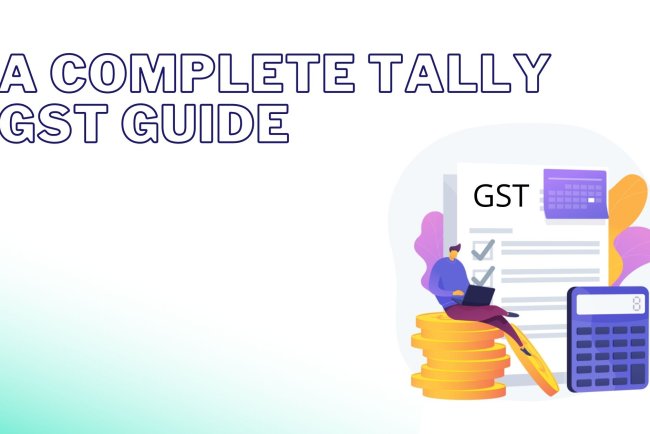
3. GST Knowledge
GST is another essential area for anyone planning a career in accounting and taxation.
Freshers should understand the basic concepts of GST, including:
- GST registration
- Input Tax Credit (ITC)
- GSTR-1
- GSTR-3B
- Tax invoices
- GST rates
- GST returns
- Purchase and sales transactions under GST
Practical GST knowledge can be particularly useful in small businesses, accounting firms, tax consultancies, and corporate finance departments.
If you are looking for a taxation course near me, make sure the course includes practical GST training rather than focusing only on theoretical concepts.
4. Income Tax & TDS Knowledge
Accountants often work with taxation-related activities, so understanding Income Tax and TDS can help freshers expand their career opportunities.
You should have a basic understanding of:
- Income Tax concepts
- Taxable income
- Different heads of income
- ITR basics
- TDS
- TDS returns
- Form 16
- Form 26AS
- Tax deductions
You don't necessarily need to become a taxation expert immediately. However, having practical knowledge of common tax-related processes can make your profile more useful to potential employers.
5. MS Excel Skills
Excel continues to be an important tool for accounting and finance professionals.
Freshers should learn more than basic data entry. Important Excel skills include:
- SUM and AVERAGE
- IF formulas
- VLOOKUP/XLOOKUP
- COUNTIF and SUMIF
- Sorting and filtering
- Conditional formatting
- Pivot Tables
- Data validation
- Basic financial calculations
Excel can help accountants organize financial data, prepare reports, analyze transactions, and maintain records.
A fresher who knows both accounting concepts and Excel can demonstrate practical workplace readiness during interviews.
6. Bank Reconciliation Skills
Bank reconciliation is a common accounting activity that every aspiring accountant should understand.
A bank reconciliation statement helps compare the company's accounting records with the bank statement and identify differences.
Freshers should understand how to identify:
- Unpresented cheques
- Bank charges
- Direct deposits
- Interest credited by the bank
- Recording errors
- Timing differences
Learning this process practically can help you understand how accounting records work in real business situations.
7. Payroll & Compliance Basics
Payroll is another useful skill for accounting professionals.
Freshers can improve their employability by learning the basics of:
- Salary calculation
- Payslip preparation
- Employee deductions
- PF
- ESI
- Professional Tax
- TDS on salary
- Payroll records
Payroll knowledge can be useful for accounting departments because many businesses require employees who can handle both accounting and payroll-related responsibilities.
Developing multiple practical skills can help you become more versatile as a fresher.
8. Understanding of Corporate Compliance
Modern accounting roles can involve more than recording transactions. Depending on the organization, accountants may also work with compliance-related activities.
Freshers can benefit from understanding basic concepts related to:
- ROC compliance
- Company records
- Statutory requirements
- Tax compliance
- Documentation
- Financial reporting
You don't have to master every compliance requirement at the beginning of your career. A basic understanding can, however, help you understand the broader responsibilities of an accounting professional.
9. Communication & Professional Skills
Technical knowledge is important, but communication skills can also influence your career growth.
Accountants regularly communicate with managers, clients, vendors, employees, auditors, and other departments.
Freshers should work on:
- Professional email writing
- Verbal communication
- Asking the right questions
- Explaining financial information clearly
- Teamwork
- Time management
- Problem-solving
Being able to communicate your work clearly can make a significant difference, especially during interviews and in your first job.
10. Practical Problem-Solving Skills
Finally, freshers should develop the ability to solve real accounting problems.
In an actual workplace, accounting is not always about following textbook examples. You may encounter missing documents, incorrect entries, mismatched balances, tax issues, or differences between financial records.
Employers therefore value candidates who can analyze a situation and find a practical solution.
The best way to develop this ability is through hands-on practice, live projects, case studies, and simulated workplace tasks.
How Can Freshers Become Job-Ready?
Having a B.Com or another commerce degree is a great starting point, but combining your academic knowledge with practical skills can make your profile stronger.
If you are considering a certified accounting course, look for training that covers accounting, Tally Prime, GST, Income Tax, TDS, Excel, payroll, and other practical areas.
For students and graduates searching for an accounting course near me, it is also important to compare courses based on practical exposure rather than choosing only by duration or fees.
A good job course should help you develop skills that are actually used in the workplace. Practical assignments, real-world case studies, software training, and interview preparation can help bridge the gap between classroom learning and professional work.
Similarly, if your main goal is employment, a placement course with career guidance, interview preparation, and placement assistance can provide additional support as you begin your job search.
Final Thoughts
Getting your first accounting job as a fresher is not only about having a degree. Employers want candidates who understand accounting fundamentals and can apply their knowledge using practical tools and processes.
Developing skills in accounting, Tally Prime, GST, Income Tax, TDS, Excel, payroll, compliance, communication, and problem-solving can help you become more confident and better prepared for entry-level accounting roles.
The key is to start learning early and practice consistently. Instead of focusing only on certificates, focus on becoming someone who can actually perform accounting tasks.
What's Your Reaction?