Equity vs Debt Funding: Pros and Cons
Understanding Equity vs debt funding is essential for making smart business financing decisions. Equity funding involves raising capital by offering ownership shares, while debt funding requires borrowing money with repayment and interest obligations. Both options have advantages and disadvantages, and analyzing the Debt vs equity financing pros and cons helps entrepreneurs choose wisely. Startups often explore Startup funding options, equity, and debt based on growth potential, risk tolerance, and cash flow. Financial knowledge gained through an accounting course, taxation course, or GST Certification Course can help business owners manage funding efficiently. Choosing the right financing strategy ensures long-term stability, profitability, and sustainable growth.
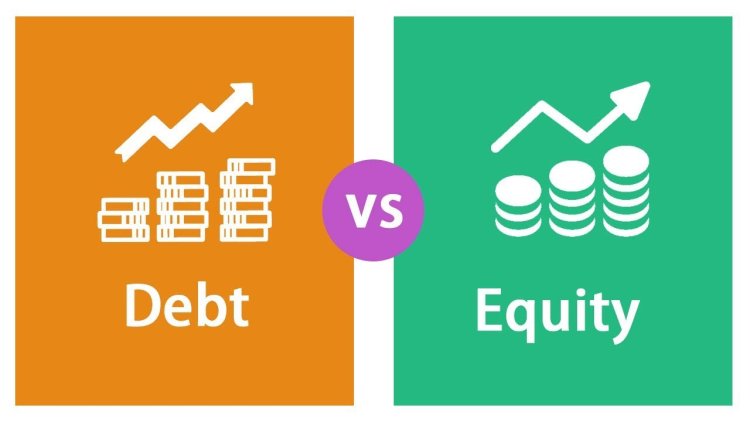
When starting or expanding a business, one of the most critical decisions entrepreneurs face is choosing between Equity vs debt funding. Both financing methods help raise capital, but they come with different obligations, risks, and long-term impacts on your business.
Understanding the pros and cons is essential for startup founders, small business owners, and even finance students pursuing an accounting course or taxation course. In this blog, we will break down both funding options clearly and help you decide which one fits your business needs.
What is Equity Funding?
Equity funding means raising capital by selling shares of your company to investors. In exchange for money, investors receive ownership and sometimes voting rights.
Common examples of equity funding include:
-
Angel investors
-
Venture capitalists
-
Private equity investors
-
Initial Public Offering (IPO)
This is one of the most popular Startup funding options equity debt strategies used by growing companies.
Pros of Equity Funding
1. No Repayment Obligation
Unlike loans, equity funding does not require monthly repayments. This reduces financial pressure, especially during the early stages of business.
2. No Interest Burden
There is no interest expense, which helps improve cash flow. Businesses can reinvest profits into growth rather than paying lenders.
3. Access to Expertise
Investors often bring industry knowledge, mentorship, and business connections that can accelerate growth.
4. Lower Financial Risk
Since there is no fixed repayment schedule, businesses are not forced into insolvency due to loan defaults.
Cons of Equity Funding
1. Loss of Ownership
You must give up a percentage of your company. This means sharing profits and decision-making power.
2. Dilution of Control
Investors may demand voting rights or board positions, limiting your control over business decisions.
3. Sharing Profits
Future profits are shared with shareholders, which can reduce long-term earnings for founders.
4. Complex Process
Equity funding involves legal documentation, valuation negotiations, and compliance procedures.
What is Debt Funding?
Debt funding involves borrowing money that must be repaid with interest over a specified period. Common debt funding sources include:
-
Bank loans
-
Business loans
-
Bonds
-
Government schemes
-
NBFC financing
Debt financing is widely used by established businesses that have predictable cash flow.
Pros of Debt Funding
1. Retain Ownership
You do not give up equity or ownership in your business.
2. Predictable Payments
Loan repayment schedules are fixed, helping businesses plan finances.
3. Tax Benefits
Interest paid on loans is tax-deductible in many countries, reducing overall tax liability. This is an important concept often covered in a taxation course and GST Certification Course.
4. Faster Access to Funds
Compared to equity funding, loans may be quicker to secure if you have a strong credit profile.
Cons of Debt Funding
1. Repayment Obligation
Monthly EMIs must be paid regardless of business performance.
2. Interest Costs
Interest increases the overall cost of borrowing.
3. Collateral Requirement
Many lenders require assets as security.
4. Risk of Insolvency
Failure to repay loans can lead to legal action or bankruptcy.
Equity vs Debt Funding: Key Differences
| Basis | Equity Funding | Debt Funding |
|---|---|---|
| Ownership | Dilutes ownership | No ownership loss |
| Repayment | No repayment required | Fixed repayment required |
| Risk | Lower financial risk | Higher financial risk |
| Tax Benefit | No tax-deductible dividend | Interest is tax-deductible |
| Control | Shared decision-making | Full control retained |
Which Option is Better for Startups?
For early-stage startups, equity funding is often preferred because:
-
Cash flow may be unstable
-
High growth potential attracts investors
-
Founders need mentorship
However, mature businesses with steady revenue often prefer debt financing to avoid ownership dilution.
The best choice depends on:
-
Business stage
-
Risk appetite
-
Cash flow position
-
Growth strategy
Many companies use a mix of both methods, balancing risk and control effectively. That’s why understanding Startup funding options equity debt is crucial for financial planning.
Financial Knowledge is the Key to Smart Funding Decisions
Choosing between equity and debt funding requires a strong understanding of financial management, taxation, and compliance. This is why professionals often enroll in an accounting course or explore the Best accounting courses for beginners to build financial literacy.
With evolving financial regulations and digital compliance requirements, enrolling in the Best accounting courses 2026 can give aspiring entrepreneurs and finance professionals a competitive edge.
Courses like:
-
GST Course
-
Corporate finance training
-
Financial modeling programs
-
Advanced taxation course
help individuals understand how funding decisions impact financial statements, tax liability, and business valuation.
When Should You Choose Equity Funding?
Choose equity funding if:
-
You are building a high-growth startup
-
You need a large capital investment
-
You are comfortable sharing ownership
-
You want strategic mentorship
When Should You Choose Debt Funding?
Choose debt funding if:
-
Your business has stable revenue
-
You want to retain full control
-
You can manage regular repayments
-
You want tax advantages
Final Thoughts
There is no one-size-fits-all answer in the debate of equity vs. debt funding. Each option has distinct advantages and disadvantages. The right choice depends on your business model, financial health, and growth vision.
Understanding the Debt vs equity financing pros cons allows entrepreneurs to make informed decisions that protect both ownership and profitability.
What's Your Reaction?