Role of MSMEs in Indian Economy
MSMEs (Micro, Small, and Medium Enterprises) play a vital role in the Indian economy. They contribute around 30% to India’s GDP, create large-scale employment, and support nearly half of the country’s exports. MSMEs help in promoting entrepreneurship, reducing unemployment, and ensuring balanced growth across urban and rural areas. They also support large industries through supply chains and encourage local production. Proper accounting, digital adoption, and understanding of taxation (Income Tax & GST) help MSMEs remain compliant and financially strong. Overall, MSMEs are the backbone of India’s economic development and inclusive growth.
The Role of MSMEs in Indian Economy is extremely important. MSMEs, which stands for Micro, Small, and Medium Enterprises, form the backbone of India’s economic system. These businesses include small shops, manufacturing units, service providers, startups, traders, and professionals.
MSMEs help India by creating jobs, supporting industries, increasing exports, and promoting balanced economic growth. In a country like India, where employment and entrepreneurship are major needs, MSMEs play a key role in strengthening the economy at the grassroots level.
What Are MSMEs?
In India, MSMEs are classified based on their investment in plant and machinery or equipment and annual turnover. They operate in both manufacturing and service sectors.
Examples of MSMEs include:
-
Small factories
-
Retail shops
-
Service providers
-
Transport businesses
-
IT and professional services
MSMEs are easy to start, require less capital, and are suitable for first-time entrepreneurs and small business owners.
Contribution of MSMEs to GDP
One of the most important points in understanding the Role of MSMEs in Indian Economy is their contribution to GDP. MSMEs contribute around 30% to India’s Gross Domestic Product (GDP).
They also contribute nearly 45% to total manufacturing output, which shows their importance in industrial development. Many large companies depend on MSMEs for raw materials, spare parts, and services. This connection helps industries grow smoothly and efficiently.
Employment Generation
MSMEs are the second-largest source of employment in India after agriculture. They provide jobs to millions of people across urban and rural areas.
Because MSMEs are labor-intensive, they create more jobs with less investment. This helps:
-
Reduce unemployment
-
Provide income to skilled and semi-skilled workers
-
Support rural and small-town development
MSMEs also encourage self-employment and entrepreneurship, especially among youth and women.
Role of MSMEs in Exports
The Role of MSMEs in Indian Economy is also very strong in the export sector. MSMEs contribute around 40–45% of India’s total exports.
Products exported by MSMEs include:
-
Textiles and garments
-
Handicrafts
-
Engineering goods
-
Leather products
-
IT and software services
MSMEs are flexible and can quickly adjust to market demand, which helps them compete in international markets and earn foreign exchange for the country.
Importance of Accounting for MSMEs
Proper accounting is essential for the survival and growth of MSMEs. Accurate accounting helps businesses:
-
Track income and expenses
-
Control costs
-
Prepare financial statements
-
Take better business decisions
Knowledge of Certified Corporate Accounting helps MSME owners and accountants maintain proper books of accounts and follow legal requirements.
For growing businesses, understanding SAP FICO (Finance & Controlling) is useful for managing finances, budgeting, cost control, and reporting in a structured manner.
Taxation and MSMEs
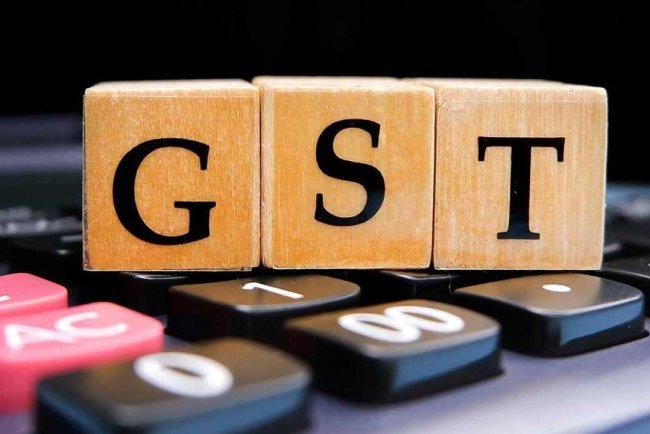
Tax compliance is a very important part of running an MSME. Understanding Taxation (Income Tax & GST) helps businesses avoid penalties and manage cash flow properly.
GST and MSMEs
GST has brought MSMEs into the formal tax system. Under GST, MSMEs must:
-
Issue proper tax invoices
-
File GST returns on time
-
Match Input Tax Credit (ITC)
While GST increases transparency, it also requires correct documentation and accounting.
Income Tax and MSMEs
MSMEs must also comply with income tax laws, such as:
-
Filing income tax returns
-
Paying advance tax
-
TDS compliance
Proper tax knowledge ensures smooth business operations and better financial planning.
Government Support for MSMEs
Understanding the Role of MSMEs in Indian Economy, the government has introduced many schemes to support them, such as:
-
Udyam Registration
-
Collateral-free business loans
-
Credit guarantee schemes
-
Skill development programs
-
Digital payment and compliance support
These initiatives help MSMEs grow, become formal, and access finance easily.
Digital Transformation of MSMEs
Digital tools have made business operations easier for MSMEs. Today, many MSMEs use:
-
Accounting software
-
Online GST and income tax portals
-
Digital payments and UPI
-
E-invoicing and e-way bills
Digital adoption improves accuracy, saves time, and reduces errors. It also makes tax compliance simpler and more transparent.
Challenges Faced by MSMEs
Despite their importance, MSMEs face several challenges such as:
-
Lack of finance
-
Delay in payments
-
Compliance complexity
-
Limited skilled manpower
-
Technology gaps
Training in Certified Corporate Accounting, SAP FICO (Finance & Controlling), and Taxation (Income Tax & GST) can help MSMEs overcome many of these challenges.
Conclusion
The Role of MSMEs in Indian Economy is vital and cannot be ignored. MSMEs contribute significantly to GDP, employment, exports, and overall economic development. They support large industries, promote entrepreneurship, and ensure inclusive growth.
With proper accounting practices, tax compliance, and digital adoption, MSMEs can grow stronger and more sustainable. Strengthening MSMEs means strengthening India’s economy.
What's Your Reaction?