GST on Agriculture Products in India:
GST on agricultural products in India plays an important role in shaping the taxation structure of the sector. Most fresh agricultural produce, like fruits, vegetables, and cereals are exempt from GST, ensuring affordability for consumers and reducing the burden on farmers. However, processed and packaged goods attract GST at different rates. Agricultural services are largely exempt, while machinery is taxed at reduced rates to promote mechanization. GST has simplified the tax system and improved supply chain transparency, but challenges like compliance and lack of awareness remain. Learning GST through a GST course can help individuals build strong careers in accounting and taxation.
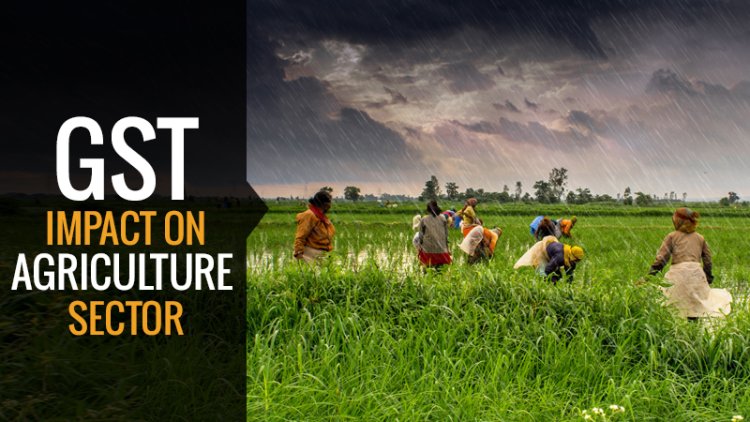
Agriculture plays a key role in India's economy, contributing significantly to overall growth and providing employment to millions. The introduction of the Goods and Services Tax (GST) has brought major changes to how agricultural products are taxed.
Farmers, traders, and agri-business owners need to understand how GST applies to their activities.
In this blog, we will explore:
- GST on agricultural products
- Available tax exemptions
- Impact of recent GST cuts on machinery
GST on Agriculture Products
When discussing GST on agriculture, it is important to differentiate between raw and processed goods.
1. GST on Fresh Agricultural Produce (Exempted)
Fresh agricultural produce is generally not subject to GST, including:
- Fresh fruits and vegetables
- Unprocessed cereals like rice, wheat, and pulses
- Milk and basic dairy products
Key Benefit:
This exemption ensures that essential food items remain affordable and reduces the tax burden on farmers.
2. GST on Processed Agricultural Products
Processed agricultural goods attract GST depending on their level of processing:
- Packaged and branded food items – 5% GST
- Edible oils – 5% GST
- Sugar – 5% GST
Important Insight:
Businesses involved in packaging and branding must comply with GST regulations.
GST on Agricultural Services
Certain agricultural services are exempt under GST, such as:
- Cultivation services
- Harvesting and threshing
- Supply of farm labor
However, some services may attract GST:
- Warehousing
- Cold storage
- Transportation (under specific conditions)
For students pursuing an Accounting Course, understanding service classification under GST is important for compliance and proper tax filing.
GST on Agricultural Machinery
Agricultural machinery plays a vital role in modern farming. The government has introduced recent GST cuts on machinery to support farmers.
Current GST Rates on Machinery:
- Tractors – 12% GST
- Harvesting machines – 12% GST
- Irrigation equipment – 5% GST
Impact:
These reduced rates make machinery more affordable and promote farm mechanization and productivity.
Impact of GST on Farmers
Positive Impacts
- Lower Tax Burden on Essentials
Most agricultural products are GST-free - Simplified Tax Structure
GST replaces multiple indirect taxes - Encouragement for Mechanization
Lower machinery tax supports modernization
Challenges
- Compliance Issues
Small traders must maintain GST records - Tax on Inputs
Fertilizers, pesticides, and machinery are taxed - Lack of Awareness
Many farmers are still unaware of the GST rules
GST Registration for the Agricultural Sector
Farmers engaged only in cultivation are not required to register under GST.
However, GST registration becomes mandatory if:
- Involved in agri-processing or trading
- Annual turnover exceeds the prescribed limit
- Engaged in interstate supply
Professionals trained through a GST Course can help ensure smooth compliance.
GST and Agricultural Supply Chain
GST has improved transparency in the agricultural supply chain by:
- Reducing tax cascading
- Improving logistics efficiency
- Enabling better record-keeping
However, small farmers still depend on intermediaries who handle GST compliance.
Importance of Learning GST for Career Growth
With taxation becoming essential across industries, learning GST offers strong career opportunities.
- A GST Course helps build expertise in taxation
- A Tally Course enhances practical skills such as:
- GST filing
- Invoicing
- Financial reporting
Combining GST knowledge with software expertise provides a competitive advantage in the job market.
Government Initiatives and Future Outlook
The government continues to support agriculture through policy reforms and tax relief.
Future Expectations:
- Further reduction in GST on inputs
- Simplified compliance for small farmers
- Increased digital awareness in rural areas
These steps will strengthen the agricultural ecosystem and support long-term growth.
Conclusion
Understanding GST on agricultural products in India is essential for farmers, traders, and aspiring accounting professionals.
- Most basic agricultural products are exempt from GST
- Processed goods and machinery attract GST at varying rates
- Recent GST cuts on machinery are encouraging modernization
Gaining knowledge through a course and practical tools like Tally can help build a successful career in accounting and taxation.
What's Your Reaction?